Making Law Accessible
We’re with you every step of your legal journey.
With over 35 years experience, Tracey Solicitors LLP are award-winning specialists in Personal Injury Law and Medical Negligence Law.
Tell Us About Your CaseWe’re here to help. Call us today on +353 1 649 9900
Expert Legal Services
Tracey Solicitors LLP provide clear and independent advice and achieve the best possible outcome for you. We use our knowledge and experience to give you the voice you need. We offer personal attention, we use plain language, and we provide practical and impartial advice through every step of the process.
HOW WE CAN HELP
-

Personal Injury Claims*
Any injury or illness caused by negligence
-
Road Traffic Accidents*
Car, bus, bicycle, pedestrian and more…
-
Accidents at Work*
Construction, industrial, retail and more...
-
Accidents in a Public Place*
Slips, trips, falls and more...
-
Injuries*
Whiplash, slipped disc and more...
-
Medical Negligence*
Birth injuries, surgical errors and more...






Tell Us About Your Case
Fill in your details below and we'll contact you to discuss your case in complete confidentiality.
Need help? Just ask. Contact us
We Speak Your Language
Tracey Solicitors LLP were among the first legal practices in Ireland to offer a dedicated Multilingual Team to answer your legal queries. Learn More
Why choose Tracey Solicitors LLP?
With 35+ years of legal expertise, we’re here to help you with your claim.
Experience
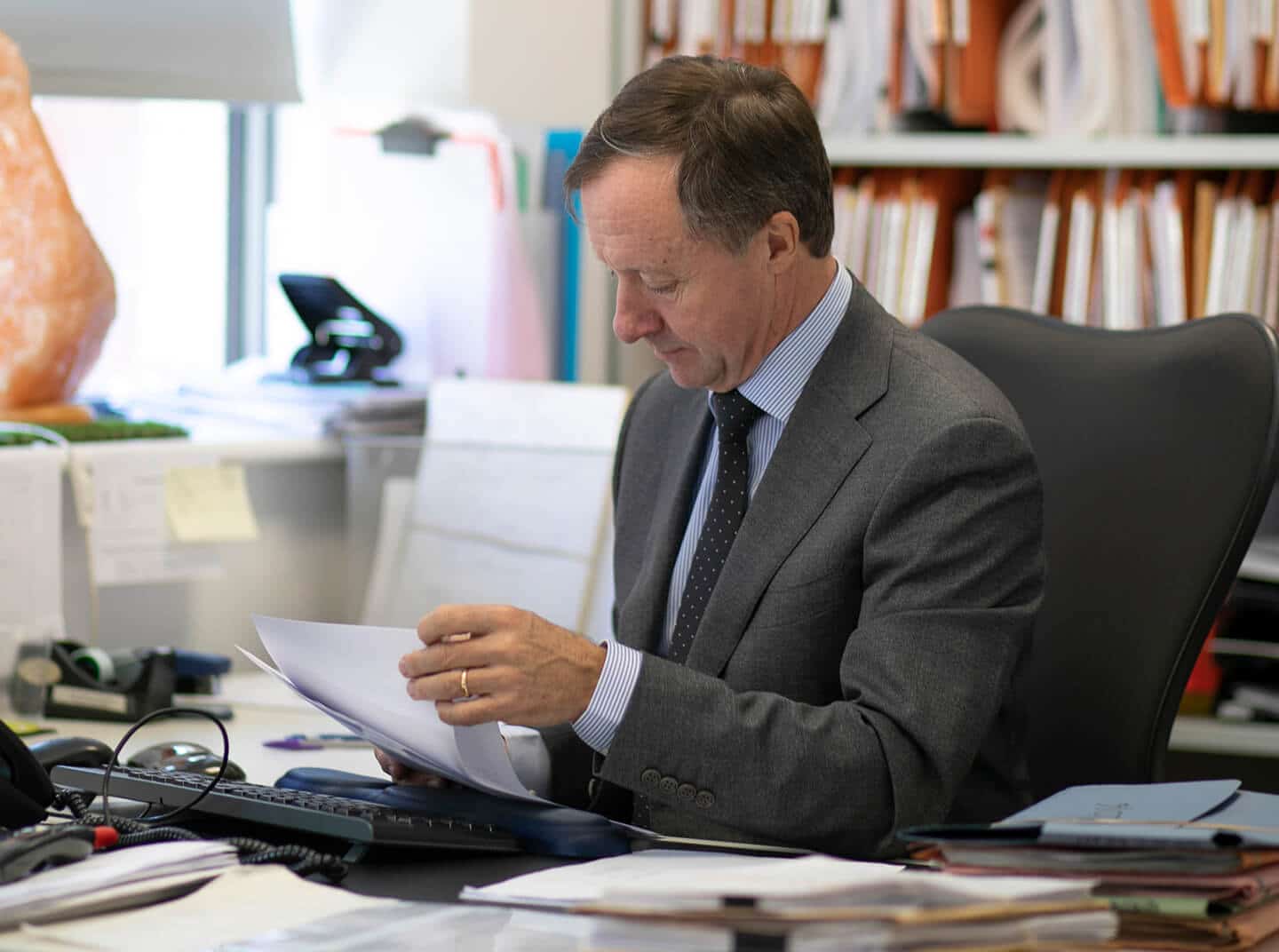
We draw on our 35 years of experience in personal injury law to provide you with expert advice and legal services. We have successfully handled more than 16,000 cases over the years and are proud of our record of client care and success to date.

Accessibility
Tracey Solicitors LLP will work with you to ensure you understand every step of your legal journey. Whether you’re making a claim for accident compensation, or need legal advice in another area, we’ll make sure you’ll understand your position with ease.
Results
We’re proud of our record of success. Along with our legal expertise, we also achieved a 100% score in the 2025 Legal Quality Standard of Ireland Q9000 audit. Tracey Solicitors LLP is the only Personal Injury and Medical Negligence law firm in Ireland to achieve a 100% score for nine consecutive years.