


We’re here to help. Call us today on +353 1 649 9900
Expert Legal Services
Tracey Solicitors LLP provide clear and independent advice and achieve the best possible outcome for you. We use our knowledge and experience to give you the voice you need. We offer personal attention, we use plain language, and we provide practical and impartial advice through every step of the process.
HOW WE CAN HELP
-

Personal Injury Claims*
Any injury or illness caused by negligence
-
Road Traffic Accidents*
Car, bus, bicycle, pedestrian and more…
-
Accidents at Work*
Construction, industrial, retail and more...
-
Accidents in a Public Place*
Slips, trips, falls and more...
-
Injuries*
Whiplash, slipped disc and more...
-
Medical Negligence*
Birth injuries, surgical errors and more...






Tell Us About Your Case
Fill in your details below and we'll contact you to discuss your case in complete confidentiality.
Need help? Just ask. Contact us
We Speak Your Language
Tracey Solicitors LLP were among the first legal practices in Ireland to offer a dedicated Multilingual Team to answer your legal queries. Learn More
Why choose Tracey Solicitors LLP?
With 35+ years of legal expertise, we’re here to help you with your claim.
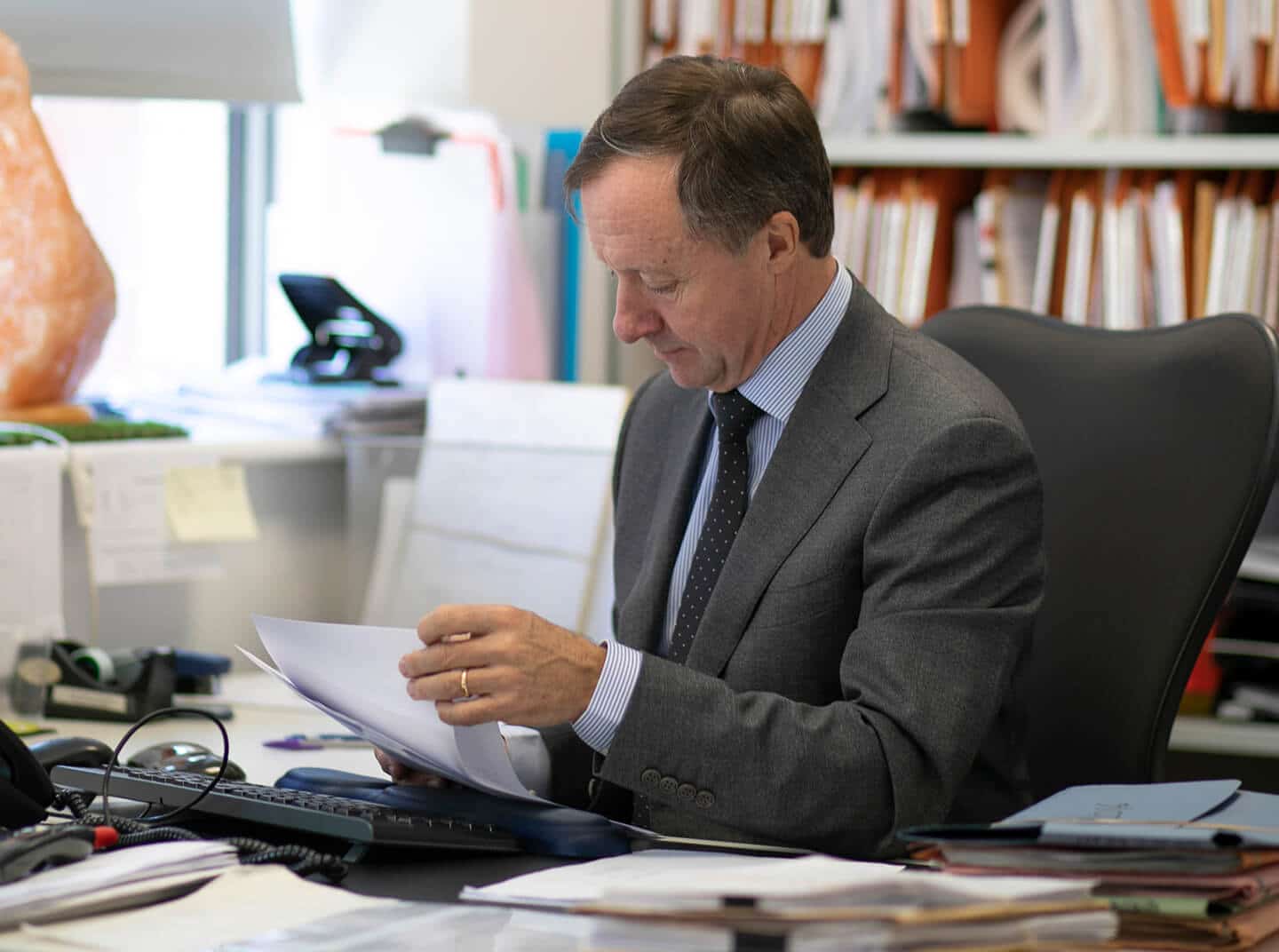
Experience
We draw on our 35 years of experience in personal injury law to provide you with expert advice and legal services. We have dealt with thousands of different cases over the years and are proud of our record of client care and success to date.
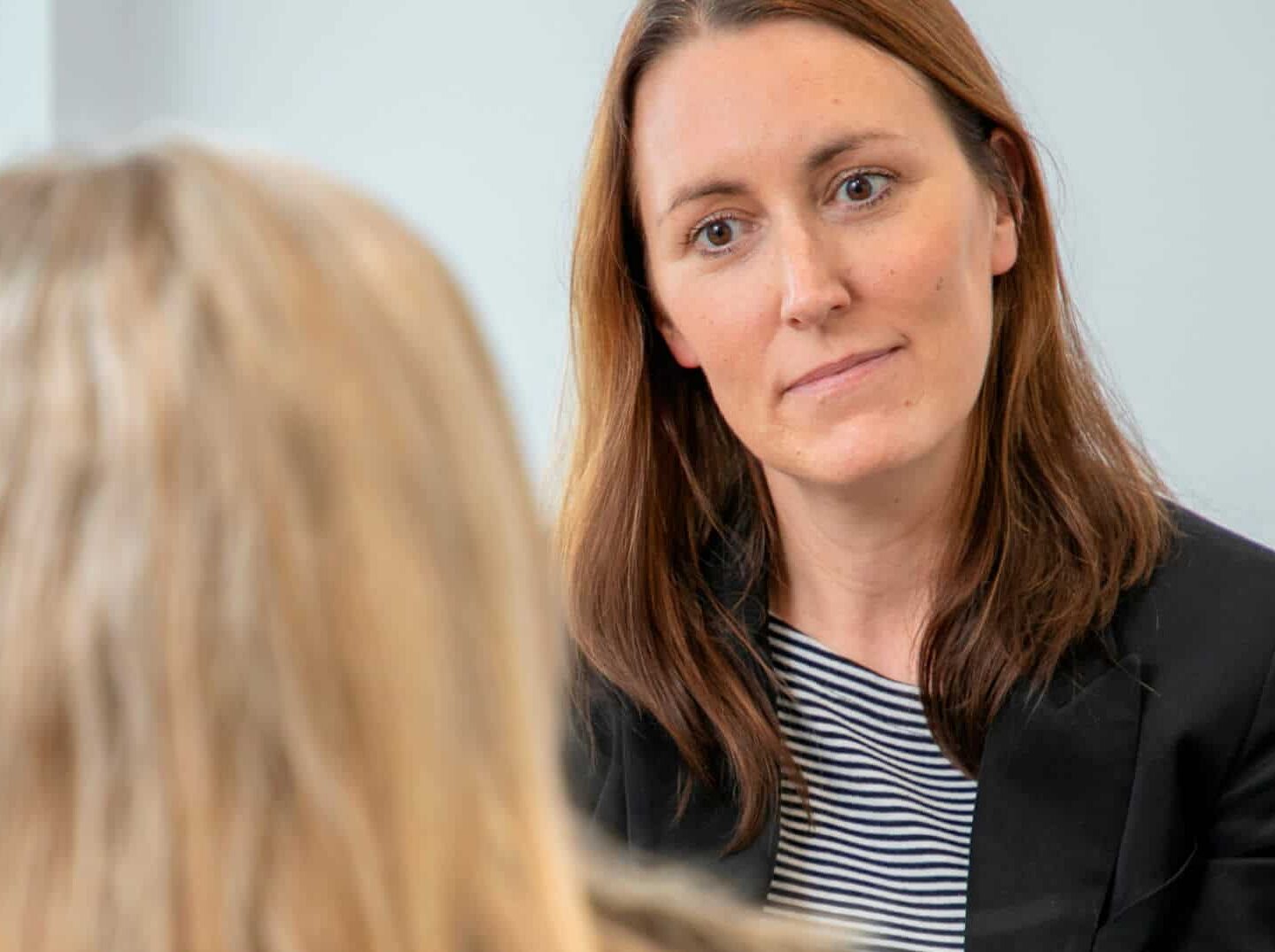
Accessibility
Tracey Solicitors LLP will work with you to ensure you understand every step of your legal journey. Whether you’re making a claim for accident compensation, or need legal advice in another area, we’ll make sure you’ll understand your position with ease.
Results
We’re proud of our record of success. Along with our legal expertise we have the unique combination of winning the Most Outstanding Personal Injury Solicitors Award and the Award for Excellence and Innovation in Client Service in 2019.
Awards & Accreditations
We are very proud to have received the CV Magazine Award for Most Outstanding Personal Injury Solicitors 2019, as well as being winner of the Excellence & Innovation in Client Service award at the 2019 Irish Law Awards. We are also the only solicitors in Ireland to have achieved the Excellence Through People Award in 2014 and 2015.

Tracey Solicitors LLP have been recognised as a Great Place to Work – ranked within the Top 20 in 2019 and 2020. We have also been accredited a Q9000 Standard – achieved 100% every year since 2017 – from the Institute of Legal Research & Standards and given to elite law firms who have exceptional risk and quality procedures in place.
Knowledge & Advice
From informative articles to practical guides, we have insights that can help you to navigate the Irish legal process.
What Our Clients Say
We aim to provide clear and independent legal advice and achieve the best possible outcomes for our clients.
View More Testimonials